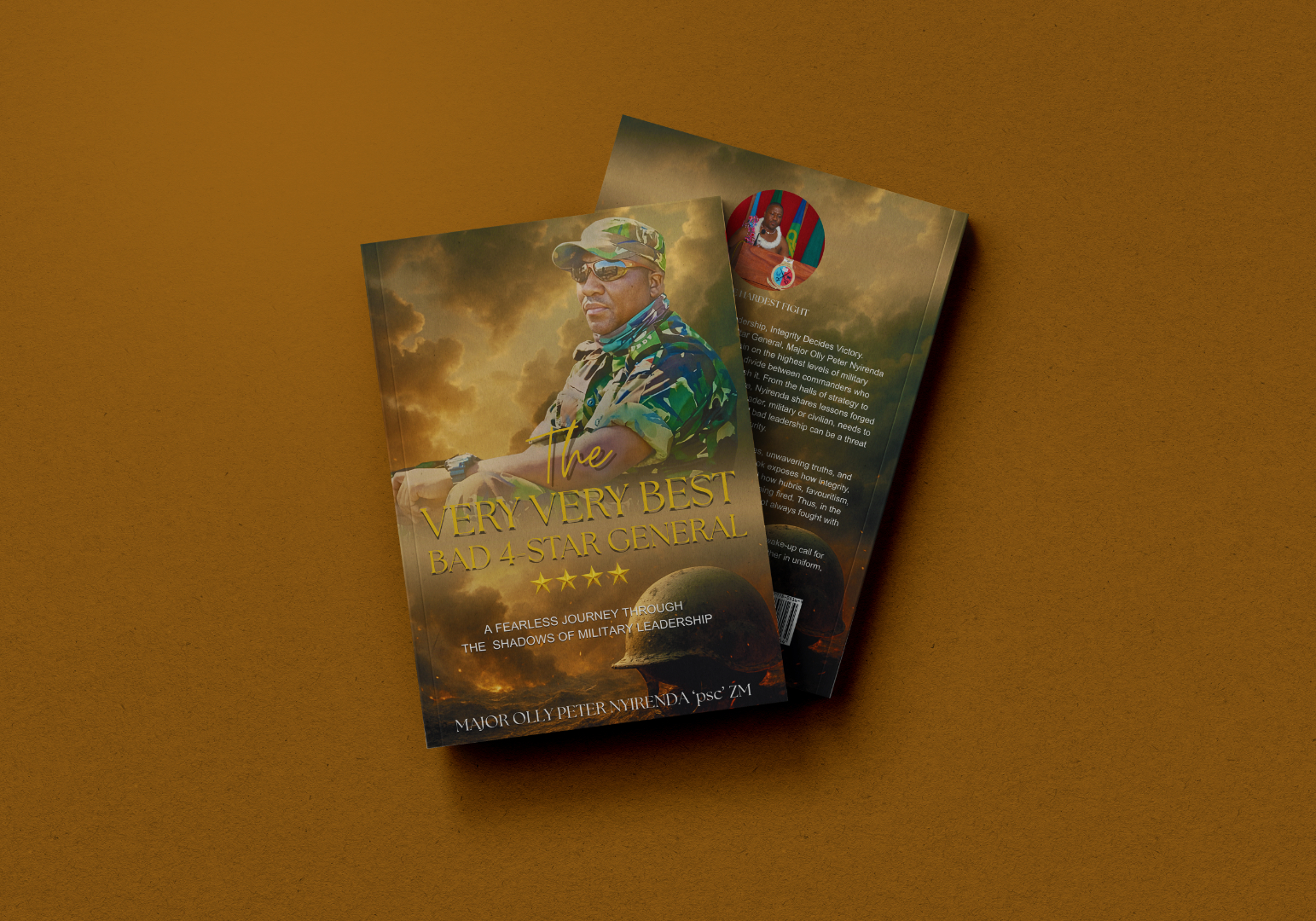
Ebook vs. Print Self-Publishing: Which Is Right for You?
The world of self-publishing offers authors incredible freedom. You can bring your stories to life without dealing with traditional gatekeepers. However, before you choose a publishing format, you must finish preparing your manuscript. Investing time and effort into proofreading books ensures your final text is completely error-free and professional.
Once your manuscript is polished, you must decide whether to publish an ebook, a print book, or both. Each format has its own unique advantages and challenges. Understanding these options will help you choose the best path for your specific project.
The Rise of Ebook Self-Publishing
Ebooks remain a highly popular choice for self-published authors. They offer unmatched accessibility and convenience for readers worldwide. Here is why you might consider going digital for your next release:
1. Lower Production Costs.
One of the most significant advantages of ebooks is the low cost. Unlike print books, digital formats do not require a massive investment in physical printing and distribution.
Instead, you can allocate your budget toward essential quality checks. Investing in professional services for proofreading books ensures your digital manuscript is flawless before it launches. Once you complete the proofreading and formatting stages for platforms like Amazon Kindle, Apple Books, or Kobo, your upfront costs drop significantly. You can sell unlimited digital copies without ever paying for a single print run.
2. Instant Global Distribution.
With an ebook, your work can be available to readers worldwide within minutes of publishing. This immediacy is invaluable for authors looking to capitalize on trends or build a readership quickly.
Ebooks are also easily updated. If you notice an error after launching, you can quickly invest in proofreading books to polish the digital file. Authors can upload revisions or add content post-publication without the hassle of reprinting.
3. Broad Reach and Accessibility.
Ebooks make reading easy on various devices. Your audience can download your work instantly on smartphones, tablets, e-readers, and computers. This broad accessibility opens up your book to a diverse, global audience of tech-savvy readers and younger demographics.
However, cross-device reading means formatting errors and typos stand out clearly on high-resolution screens. Prioritizing proofreading books before your digital launch ensures a flawless experience for every reader, regardless of their preferred device.
Many ebook platforms offer higher royalty rates compared to traditional publishing. For instance, Amazon offers up to 70% royalties for ebooks priced within a certain range. This can translate to higher earnings per book sold, especially for authors who market their work effectively.
5. The Timeless Appeal of Print Self-Publishing.
Despite the rise of ebooks, print books continue to hold a special place in the hearts of readers and authors alike. Here’s why you might choose print:
6. Tangible Experience.
There’s something uniquely satisfying about holding a physical book in your hands, feeling the texture of the paper, and flipping through the pages. For many readers, this sensory experience is irreplaceable. If your target audience values the tactile nature of books—like collectors, older readers, or those who prefer the traditional reading experience—print is the way to go.
7. Credibility and Perception:
A print book often carries a certain weight in terms of credibility. Some readers perceive print books as more legitimate or prestigious compared to ebooks. If you’re aiming to establish yourself as a serious author, especially in genres like literary fiction or non-fiction, having a print edition can bolster your reputation.
Print books offer unique opportunities for in-person sales and events. Book signings, readings, and appearances at book fairs or local markets can help you connect with readers in ways that ebooks can’t. Additionally, some retailers and libraries may prefer stocking print books over digital ones, giving you access to different sales channels.
9. Gifts and Keepsakes
Print books make for excellent gifts and keepsakes. If your book is something that readers might want to give to others or cherish as a special item, print is an ideal option. Coffee table books, cookbooks, or children’s books, for example, often benefit from the physical format.
10. Combining the Best of Both Worlds
Many successful self-published authors choose to publish both ebook and print versions of their books. This hybrid approach allows you to reach the widest possible audience while catering to different reader preferences. You can take advantage of the lower costs and wider distribution of ebooks while also offering the tactile satisfaction and credibility of print.
When deciding which format to pursue, consider your audience, genre, and goals as an author. For instance, if you’re writing a genre novel targeting younger readers, an ebook might suffice. But if your book is a beautifully illustrated children’s story, the print format might better showcase your work.
Conclusion
Ebook and print self-publishing each have their unique advantages and challenges. The best choice depends on your specific needs, goals, and audience. Whether you opt for the digital convenience of ebooks, the enduring appeal of print, or a combination of both, the world of self-publishing offers you the flexibility to bring your story to life in the way that best suits you.
Afrocentric Media House is a Self-Publishing company based in the affluent Pretoria East, Menlyn. At Afrocentric Media, we believe that every author deserves the opportunity to share their story with the world. That’s why we’re dedicated to providing comprehensive self-publishing solutions tailored to meet your unique book publishing needs and aspirations.